From the stadium to devices, discover how computer science and people work together to bring sports to millions of fans around the world.
This content is hosted by a third party.
To view the content, you need to consent to cookies by selecting Accept all in the popup banner. Or you can go to the site footer, select Cookie Preferences, and then select On under Functional Cookies.
Students learn how user stories, AI, machine learning, and computer vision are used to create features like Rapid Recap and improve the sports viewing experience.
Students learn how user stories, AI, machine learning, and computer vision are used to create features like Rapid Recap and improve the sports viewing experience.
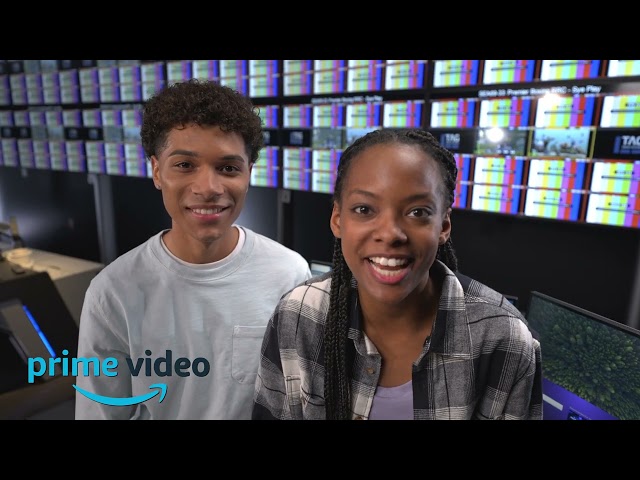
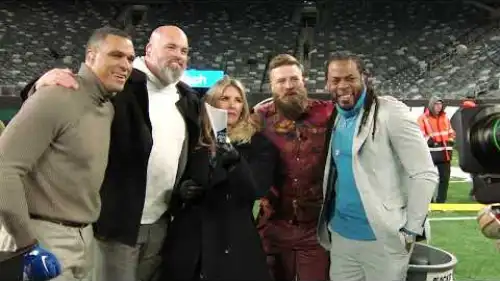
Go behind the streams with Prime Video Sports and Amazon Future Engineer to discover how computer science, artificial intelligence, and people work together to bring you high-quality sports streams from around the world, in near real-time!
On this tour, students learn the answer to the following questions:
🏈 How does Prime Video Sports get the data from the stadium to devices with as little of a delay as possible?
⚽ How can Prime Video Sports anticipate possible issues with the stream and troubleshoot to ensure customers don’t miss a second of the big game?
🏀 Who builds features to enhances sports streams?
In this tour, students explore the following careers: Producer, Technical Operations Manager, Live Event Support Engineer, Product Manager, Applied Scientist
Aligned to Standards
The 45 minute, interactive tour is aligned to Next Generation Science Standards (NGSS) and CSTA K-12 Computer Science Standards. The Teacher Toolkit includes a facilitation guide, worksheets, and other resources to support learning during the tour. Recommended for grades 3+.
Prime Video Sports: Behind the Streams Tour is aligned to the following CSTA standards:
1B-IC-18 Discuss computing technologies that have changed the world, and express how those technologies influence, and are influenced by, cultural practices.
2-CS-01: Recommend improvements to the design of computing devices, based on an analysis of how users interact with the devices.
2-CS-02: 6 8: Design projects that combine hardware and software components to collect and exchange data.
2-NI-04: Evaluate the scalability and reliability of networks, by describing the relationship between routers, switches, servers, topology, and addressing.
2-NI-05: Explain how physical and digital security measures protect electronic information.
2-IC-20: Compare tradeoffs associated with computing technologies that affect people’s everyday activities and career options.
2-IC-22: Collaborate with many contributors through strategies such as crowdsourcing or surveys when creating a computational artifact.
3A-CS-02: Illustrate ways computing systems implement logic, input, and output through hardware components.
3A-IC-26:Demonstrate ways a given algorithm applies to problems across disciplines.
3A-DA-09: Translate between different bit representations of real-world phenomena, such as characters, numbers, and images.
3A-DA-11: Create interactive data visualizations using software tools to help others better understand real-world phenomena.
3B-DA-06:Select data collection tools and techniques to generate data sets that support a claim or communicate information.
3B-CS-01: Categorize the roles of operating system software.
3B-NI-05: Use data analysis tools and techniques to identify patterns in data representing complex systems.
3B-NI-06: Select data collection tools and techniques to generate data sets that support a claim or communicate information.
3B-IC-24: Compare multiple programming languages and discuss how their features make them suitable for solving different types of problems
3B-AP-21: Develop and use a series of test cases to verify that a program performs according to its design specifications.
The tour is aligned to the following NGSS disciplinary core ideas, crosscutting concepts, and science and engineering practices:
Asking questions and defining problems
Constructing Explanations and Designing Solutions
Cause and Effect
Systems and System Models
4-PS4-3 Waves and Their Applications in Technologies for Information Transfer Generate and compare multiple solutions that use patterns to transfer information.
3-5-ETS1-2 Engineering Design: Generate and compare multiple possible solutions to a problem based on how well each is likely to meet the criteria and constraints of the problem.
MS-ETS1-2 Engineering Design Evaluate competing design solutions using a systematic process to determine how well they meet the criteria and constraints of the problem.
Play it on Kahoot!
The fun, game-like tour will be available for FREE on Kahoot! to all interested classrooms and families. Students can play against each other while learning about getting data from the stadium to devices, troubleshooting, and creating new features to enhance sports streams. No account required.
Teacher Toolkit
Our Teacher Toolkit provides educators with guides, worksheets, and other documents aligned to CSTA K-12 Computer Science Standards and Next Generation Science Standards (NGSS). Use these materials to discover all the possibilities with computer science learning and careers of the future, and to set students up for success before, during, and after the tour.
Student Worksheet
Distribute graphic organizers for students to capture their biggest learnings and wonderings on the tour.








 Student Worksheet Answer KeyCheck your students' fill-in-the-blank answers on the student worksheet.
 Facilitation GuideRead instructions for setting up the Kahoot! tour with classes. Slide by slide script for delivering the tour to students.
 Key Student LearningsDiscover the key vocabulary and learnings covered on the Prime Video Sports tour by tour stop.
 CertificatePrint and distribute student certificates to celebrate completing the tour!


